This is why we built
CreatorRegister
In February 2026, our founder started receiving DMs on TikTok from people asserting that they were real streamers. What followed was three weeks of documented fraud — and the realisation that no tool existed to stop it.
The First DM — @bug_mera
It started with a TikTok DM from @bug_mera, asserting that they were targetlocated — a real Twitch streamer with a substantial audience. The conversation opened with gaming talk to build rapport, then pivoted fast.
The pivot message was the classic "hook" used by recruiters:
They were pitching a fake service — DREAMLINKAGENCY / BRANDIFY TREEX — posing as a legitimate "Twitch Strategist" offering. Michael didn't pursue it, but the pattern stuck. He had no way to verify whether @bug_mera was actually targetlocated. No cross-platform identity reference existed.
Two Fronts — Fake Muffin + Ascend Agency
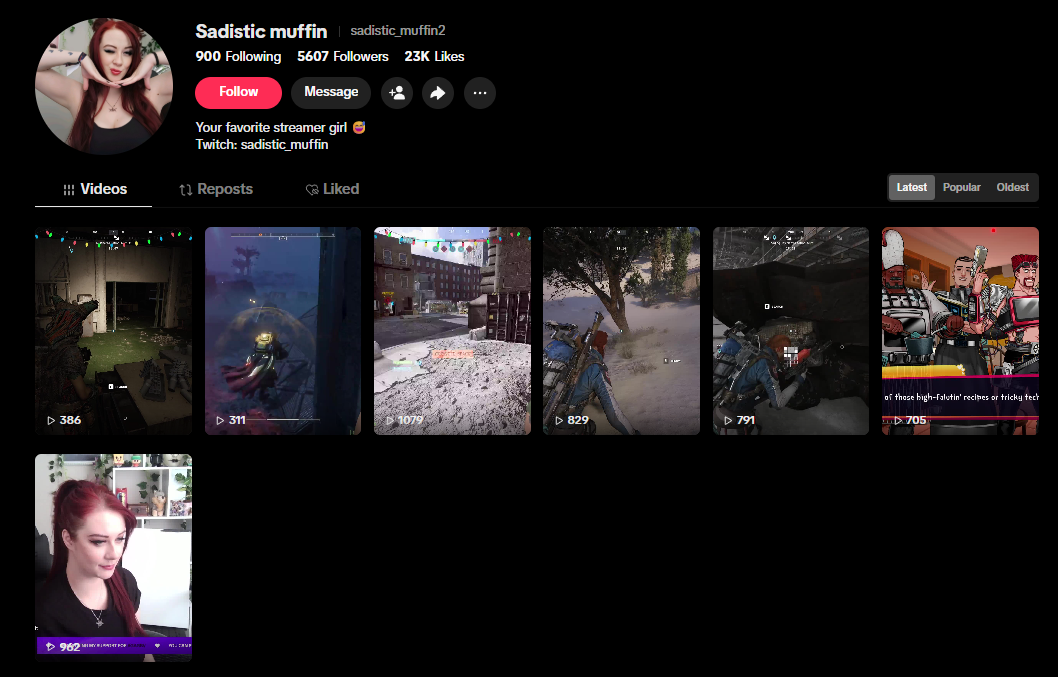
Running in parallel: a fake TikTok account, sadistic_muffin2, impersonating SadisticMuffin — a real, verified Twitch Partner. The account had a public audience and a bio reading "Your favorite streamer girl 😅 Twitch: sadistic_muffin."
After building rapport over Game of Thrones and streaming talk, the fake Muffin introduced Ascend Agency as "her channel manager" — the people who had supposedly grown her from affiliate to partner.
On March 3, she referred Michael to the Ascend Agency Discord server.
Michael played along for days on the Ascend Agency Discord, documenting the negotiation: a 20% management fee, payment via PayPal or bank transfer, correspondence through a personal Gmail address ([email protected] — no business domain).
Then on March 8, Ascend slipped the fake contact email: [email protected] — three T's. The real address has two. On March 9, Michael caught it. The mask fell. Michael had been talking to a ghost.
Caught in Real Time — Fake Jasmine
A TikTok DM from @jasminexu0070 — one extra zero versus the real @jasminexu007. Asserting that they were Jasmine, a real Twitch creator, pitching TBDS (Twitch Brand Development Specialist) — another invented service.
The impersonator asserted Jasmine had a small audience before TBDS helped her grow. But Michael's own data platform showed Jasmine's channel had a substantially larger audience three years prior.
Michael called it out directly:
The Origin Moment — Jasmine's Discord
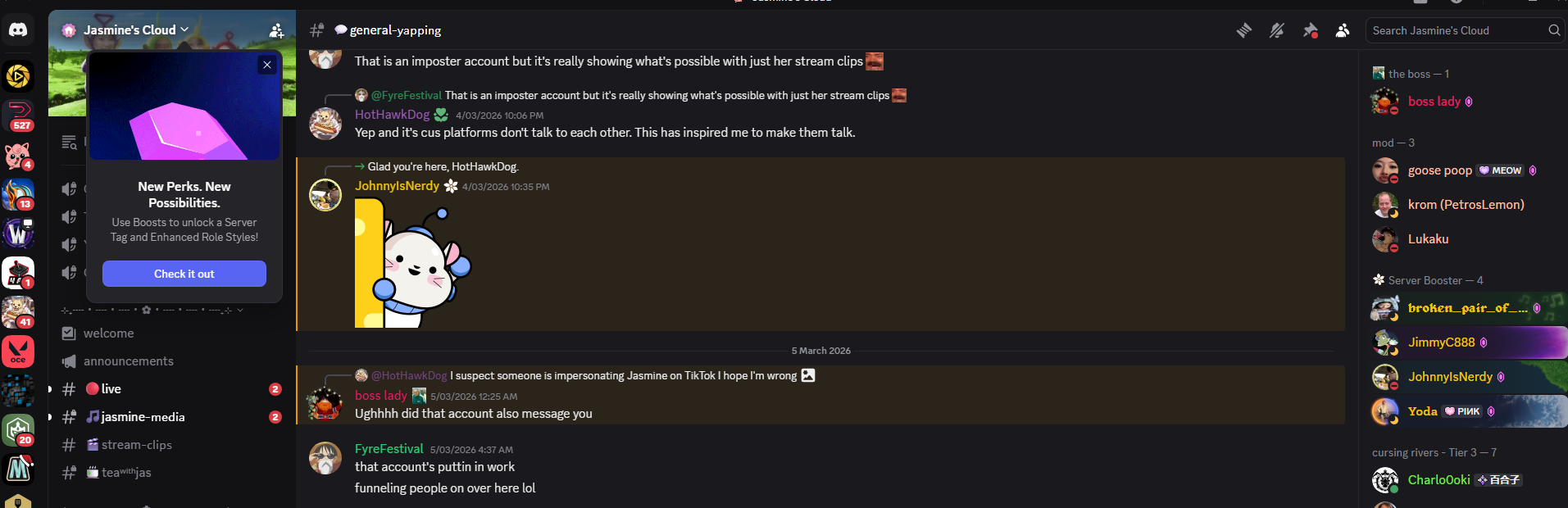
After catching the fake Jasmine, Michael went to the real Jasmine's Discord community to alert them. There was no Discord link on her Twitch profile — he had to find the server independently.
He posted the evidence. The community confirmed immediately: "That is an imposter account."
It was in that moment — explaining the problem to strangers in a Discord server — that the idea crystallised.
On Stream — SadisticMuffin Responds
Michael went to the real SadisticMuffin's live stream and alerted her in chat. She addressed it publicly — on camera, to her audience.
The Recruiter — talimar
Days later, talimar appeared on TikTok. Same playbook — genuine-sounding compliments about Michael's clips, easy conversation. Then the pivot to "Streamcaster" / "Stream Spark", another fabricated growth service.
But talimar wasn't just running their own scam. They were a recruiter — funnelling targets to separate fraud operations. On March 10, they referred Michael to someone named Steve_Nexus.
The Portfolio That Couldn't Exist — Steve_Nexus
talimar referred Michael to Steve_Nexus on Discord — pitching GVMAC (Google Video Meta Ads Campaign), a completely fabricated service that does not exist on any platform.
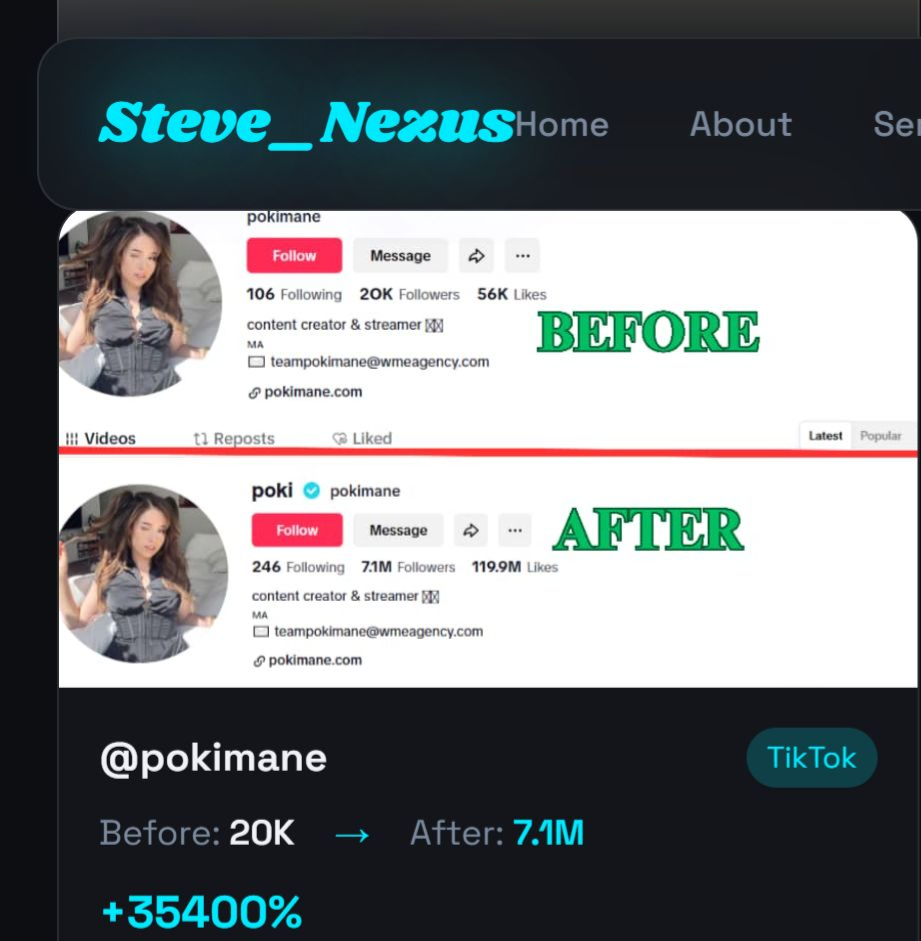
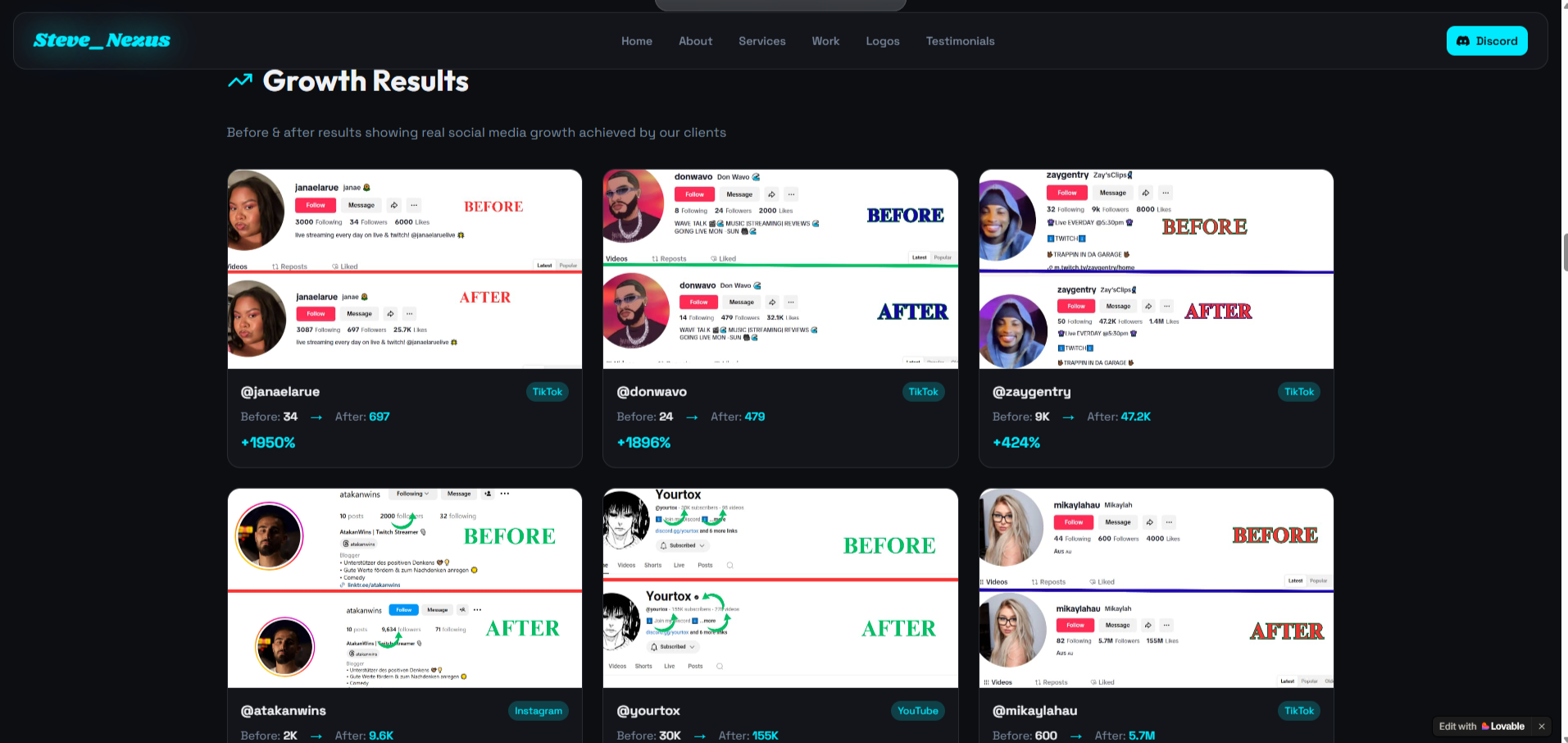
Steve_Nexus shared a portfolio website: steve-nezus-showcase.lovable.app — built in approximately ten minutes using an AI website builder. It asserted that it had grown dozens of creators.
The headline assertion: @pokimane — dramatic audience growth attributed to the agency. One of the most well-known streamers in the world. Used as a trophy.
So we built the reference
platforms refused to create.
Every one of these frauds worked for the same reason: there was no authoritative, cross-platform record of who a creator actually is. A scammer could assert that they were Pokimane, SadisticMuffin, or Jasmine — and there was nowhere to look to prove them wrong.
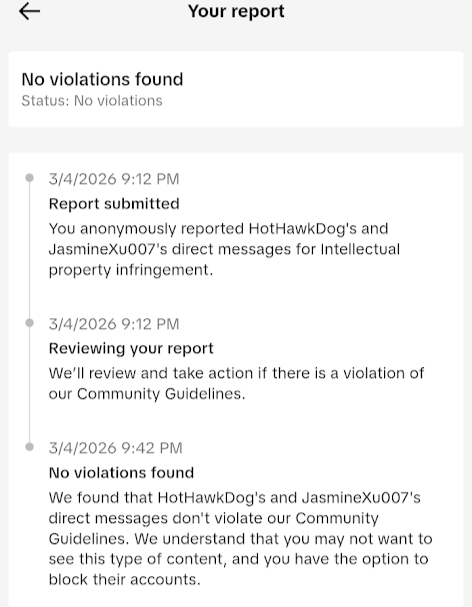
Platforms had years of reports. Mass reports. They had screenshots, videos, documented evidence. And they returned verdicts of "no violations found" in under thirty minutes.
CreatorRegister is a public, verifiable identity registry for content creators. Creators verify ownership of their profile, authenticate their accounts with OAuth, and establish a single source of truth that links their identity across every platform they're active on. Fans can search it. Agencies can check it. And no one can fake it.
The platforms weren't going to build this. So we did.